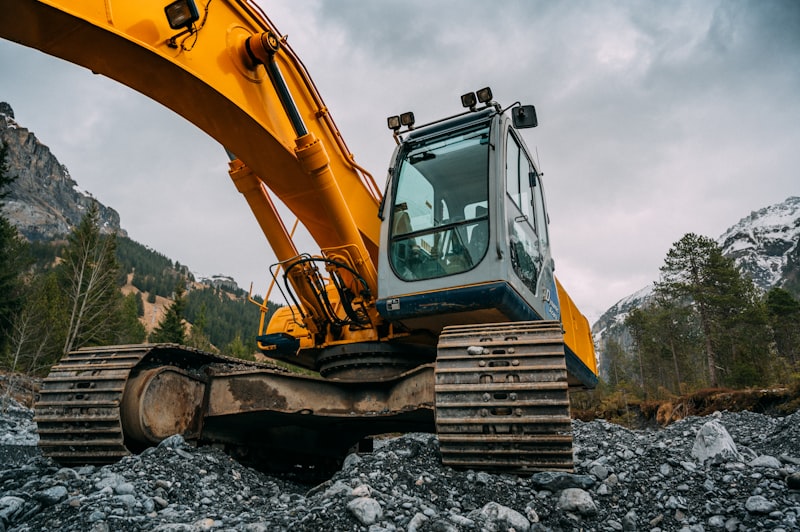

Hydraulic systems are the muscle behind modern construction equipment. From roller compactor drums to power-trowel transmissions, hydraulic power enables machines to lift, push, and compact with incredible force. But these systems are also among the most common sources of equipment failure — especially in the UAE's harsh operating environment. Understanding hydraulic system repair is essential for anyone managing construction equipment.
Hydraulic System Fundamentals
Every hydraulic system has these core components:
- Reservoir (tank): Stores hydraulic oil and allows air separation and heat dissipation
- Pump: Converts mechanical energy into hydraulic flow and pressure
- Control valves: Direct oil flow to the correct cylinder or motor
- Cylinders and motors: Convert hydraulic energy back into mechanical force or rotation
- Filters: Remove contaminants from the oil
- Hoses, tubes, and fittings: Connect components and carry pressurised oil
- Oil cooler: Removes excess heat from the hydraulic oil
Why Hydraulic Systems Fail in UAE Conditions
- Contamination: Fine desert sand enters the system through worn seals, open fill caps, or during hose replacement. Even microscopic particles (10–20 microns) damage precision components.
- Overheating: Ambient temperatures of 45–50°C push oil temperatures to dangerous levels. Oil above 82°C degrades rapidly, with each 10°C increase halving the oil's remaining life.
- Seal degradation: UV radiation and heat cause rubber seals to harden, crack, and leak — both externally and internally.
- Cavitation: Restricted suction lines (clogged inlet filters) cause air bubbles in the oil that implode under pressure, eroding pump components.
Diagnosing Hydraulic Problems
Step 1: Check Oil Level and Condition
Low oil is the most common cause of hydraulic problems. Check the sight glass or dipstick. Oil should be clear and honey-coloured. Dark, milky, or foamy oil indicates contamination, water ingress, or aeration.
Step 2: Inspect for External Leaks
Follow every hose, fitting, and cylinder looking for oil weeping or dripping. Tighten fittings first — if leaking persists, the fitting seat may be damaged or the hose needs replacement. Never run your hand along a pressurised hose to find leaks — high-pressure oil injection through the skin is a medical emergency.
Step 3: Check System Pressure
Install a pressure gauge at the pump outlet and compare readings to specification. Low pressure indicates pump wear, relief valve misadjustment, or internal leakage in a cylinder or motor.
Step 4: Test Cylinder Drift
Raise a loaded boom or arm and observe if it sinks slowly. Cylinder drift indicates internal oil bypass past worn piston seals or a leaking hold valve.
Step 5: Check Oil Temperature
Use an infrared thermometer. Normal operating temperature is 40–65°C. Above 80°C, the system is overheating and needs attention.
Common Hydraulic Repairs
- Hose replacement: The most frequent repair. Always replace in pairs if possible, and use hoses rated for the system's maximum pressure. AED 100–500 per hose depending on size and length.
- Cylinder reseal: Worn piston and rod seals cause leaks and drift. A complete cylinder reseal costs AED 500–2,000 depending on cylinder size. Always replace all seals in a cylinder — not just the leaking one.
- Pump rebuild: Worn internal components reduce flow and pressure. A pump rebuild (new bearings, seals, and wear plates) costs AED 2,000–8,000, significantly less than a new pump.
- Valve repair: Spool valves worn by contaminated oil cause sluggish or erratic operation. Cleaning or replacing spool assemblies costs AED 500–3,000.
- Oil cooler cleaning/replacement: Blocked cooler fins or internal blockage causes overheating. Cleaning is free; replacement costs AED 800–2,500.
Preventive Hydraulic Maintenance Schedule
- Daily: Check oil level, inspect for leaks, wipe down cylinder rods to remove sand
- Every 250 hours: Change return-line filter, check oil temperature, inspect hoses for wear or chafing
- Every 500 hours: Change pressure-line filter, take oil sample for laboratory analysis
- Every 1,000 hours: Complete hydraulic oil change (use oil that meets the equipment manufacturer's specification), change all filters, clean the reservoir interior
- Every 2,000 hours: Inspect cylinder rods for scoring or pitting, test pump flow rate, inspect control valve spools
Hydraulic Oil Selection for UAE
Use an oil with a high viscosity index (VI 150+) that maintains proper viscosity across the UAE's extreme temperature range. Common grades:
- ISO VG 46: Standard for most equipment in the UAE
- ISO VG 68: For high-temperature applications or older equipment with wider internal clearances
Always use oil that meets the equipment manufacturer's specification — never mix different oil brands or grades.
For hydraulic system diagnosis and repair across all equipment types, contact Husnain Abdul Rasheed Machinery Rentals at 055 455 5786. Our technicians carry diagnostic equipment and common repair parts on every service vehicle.